


Bing Ads vs Google Ads in 2025: What’s Changed and What You Should Know
- Josh Levine

- Sep 10, 2025
- 4 min read
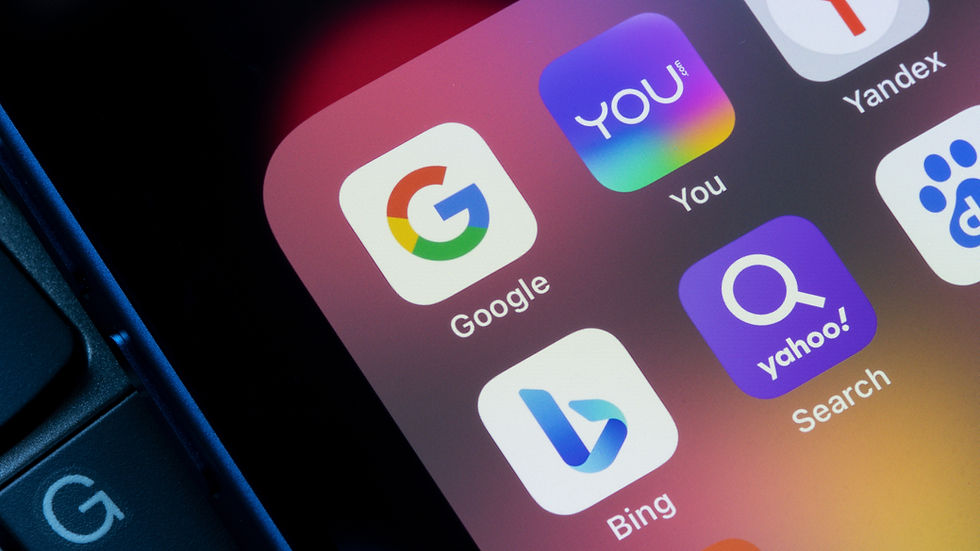
When it comes to online advertising, Bing Ads (now known as Microsoft Advertising) and Google Ads are the two biggest names in the game. Both platforms allow businesses to reach potential customers through targeted pay-per-click (PPC) campaigns, but they each come with distinct features, audiences, and costs.
In 2025, with AI integrations, rising competition, and evolving consumer behavior, the dynamics between Bing Ads and Google Ads are changing. If you’re deciding where to invest your PPC budget, this breakdown will help you understand what’s new and what you should consider before making a move.
The State of Paid Search in 2025
PPC advertising continues to be a high-performing channel for lead generation and sales—but it’s also becoming more complex. Business owners now face a landscape where:
Automation is replacing manual campaign management
AI tools influence everything from bidding to creative content
Privacy restrictions are limiting data access for precise targeting
Search behavior is diversifying across platforms and devices
The days of defaulting to Google Ads are over. Businesses are increasingly considering alternatives like Bing Ads, especially as cost pressures and competition rise.
Key Updates in Bing Ads (Microsoft Advertising)
Bing Ads may have once been seen as the underdog, but Microsoft Advertising has stepped up significantly over the past few years—and 2025 marks a major leap.
Here’s what’s new:
Lower Cost-Per-Click (CPC): One of Bing’s biggest advantages continues to be affordability. On average, CPCs are 35–50% lower than Google Ads, making it more cost-effective for businesses with smaller ad budgets.
AI-Powered Targeting: Microsoft Advertising now offers advanced audience segmentation through AI. These tools analyze real-time behavior, making ad delivery more precise without relying on third-party cookies.
Expanded Ad Network: Ads placed via Bing now reach users across platforms like Yahoo, AOL, DuckDuckGo, Windows apps, and even LinkedIn’s audience network, thanks to Microsoft's ecosystem.
Performance Plus Campaigns: This is Microsoft’s version of Google’s Performance Max—automated, multi-channel campaigns designed for conversions with more advertiser control.
What does this mean for your business? Bing Ads is no longer just a backup plan—it’s a strategic platform that often performs well in industries like legal, healthcare, professional services, and local business marketing.
What’s New with Google Ads in 2025?
Google Ads still commands the largest market share and user base, but staying competitive on the platform now requires more investment and expertise.
Key changes this year include:
Performance Max Enhancements: While convenient, these campaigns limit manual control over placements and creatives. Google is pushing toward full automation—great for scalability, but tricky for niche targeting.
Rising CPCs Across the Board: In 2025, most industries have seen a 10–20% increase in CPC. High competition means more expensive clicks, especially in finance, e-commerce, and home services.
AI-Generated Creatives: Google has integrated Gemini AI to auto-generate headlines, descriptions, and visual elements, speeding up campaign creation but limiting brand voice control.
Deeper Video Ad Integration: With YouTube Shorts and Google Display now part of core ad campaigns, businesses can run video ads across more placements—if they have the creative assets to support them.
Google Ads is still incredibly powerful, but small businesses must be more strategic. Without proper targeting and conversion tracking, it's easy to overspend without seeing real results.
Google Ads vs Bing Ads in 2025: Key Comparisons
Here’s a side-by-side comparison of how both platforms stack up this year:
Feature | Google Ads | Bing Ads (Microsoft Advertising) |
Average CPC | Higher | 35–50% Lower |
Reach | Google Search, YouTube, Display, Shopping | Bing, Yahoo, DuckDuckGo, LinkedIn |
Audience | Broad, Mobile-First | Desktop-heavy, Older, Affluent |
AI Tools | Gemini AI, Performance Max | Performance Plus, Audience AI |
Best Use Case | Scale, Video, Broad Audiences | Local, B2B, Budget-Sensitive Ads |
What These Changes Mean for Small Business Strategy
For small businesses trying to stretch their marketing budgets, these changes open up new opportunities:
Cost-conscious advertisers can use Bing Ads to extend their reach without draining their budget. Lower CPCs mean you can test messaging and keywords without risking high ad spend.
B2B or professional services should strongly consider Bing due to its LinkedIn integration and desktop-heavy user base. It’s ideal for targeting older, affluent users in industries like law, real estate, and healthcare.
E-commerce and service businesses looking for mass reach may still benefit from Google Ads—especially if they have creative assets for video, product feeds for Shopping, or need global exposure.
Ultimately, the right strategy may include both platforms, used for different objectives in your sales funnel.
Our 2025 PPC Strategy Advice at Wise Roots LLC
At Wise Roots LLC, we help small businesses navigate the ever-evolving PPC landscape. Based on campaign performance in Q1 and Q2 of 2025, here are a few best practices we recommend:
Start with Bing Ads if your industry is highly competitive and you want to maximize visibility on a smaller budget. The lower CPC and easier SERP access are a strong advantage.
Test Performance Max on Google if you have solid creative assets and want to automate reach across Google’s ecosystem—but monitor it closely.
Split-test messaging across platforms. Sometimes, the same ad performs dramatically better on Bing than on Google simply because of the different user behavior and intent.
Use geotargeting + Bing for local campaigns. Bing users often search on desktops, which pairs well with services that require more consideration (like dental, HVAC, or legal).
Most importantly: Track conversions, not just clicks. The platform that delivers the best cost-per-lead or sale—not just traffic—should earn more of your ad budget.
Final Thoughts
While Google Ads may still be the dominant platform in terms of reach and scale, Bing Ads is gaining serious ground in 2025 thanks to affordable pricing, AI tools, and a loyal desktop user base.
If you're not already using Bing Ads, now’s the time to test it. For many small businesses, it offers a better return on investment and access to untapped market segments.
Need help figuring out the best mix for your marketing goals?
Let Wise Roots LLC run the numbers for you. Book your free PPC consultation today and let’s build a smarter, more cost-effective strategy together.


Comments